Please Choose Your Language

Views: 0 Author: Site Editor Publish Time: 2026-03-27 Origin: Site


Are you considering a pool upgrade? Salt water pools are becoming increasingly popular among homeowners. Many believe they offer a gentler swimming experience compared to traditional chlorine pools.
In this article, we’ll explore what salt water pools are and why they’re gaining traction. We’ll analyze the advantages and disadvantages of salt water pools, helping you decide if they’re the right choice for you. Get ready to dive into the world of pool options!
Salt water pools are a popular alternative to traditional chlorine pools. They use a unique system that involves a salt chlorine generator, which distinguishes them from conventional pools. Here’s a quick breakdown:
Definition: Salt water pools contain dissolved salt, typically sodium chloride, in the water. This salt is converted into chlorine through the salt chlorine generator.
Functionality: The generator creates chlorine on-site, allowing for a continuous supply without the need for manual chlorine additions. This results in lower chloramine levels, which means less odor and irritation for swimmers.
This system makes swimming more enjoyable, as the water feels softer and gentler on the skin. Unlike traditional pools, salt water pools don’t have the sharp chlorine smell, making them more inviting.
The operation of salt water pools relies on a process called electrolysis. This is how it works:
Electrolysis Process: When salt is added to the pool water, the salt chlorine generator uses electricity to split the salt into its components. This process produces chlorine, which sanitizes the water effectively.
Maintaining Proper Salt Levels: It’s crucial to keep the salt concentration within the recommended range, typically between 2700 to 3400 ppm (parts per million). If the salt level is too low, the generator won’t produce enough chlorine, leading to potential water quality issues.
Here’s a quick look at the key components of how salt water pools operate:
Component | Function |
Salt Chlorine Generator | Converts salt into chlorine for sanitation |
Salt Levels | Must be monitored to ensure effective chlorine production |
Water Chemistry | Regular testing of pH and alkalinity is essential for balance |
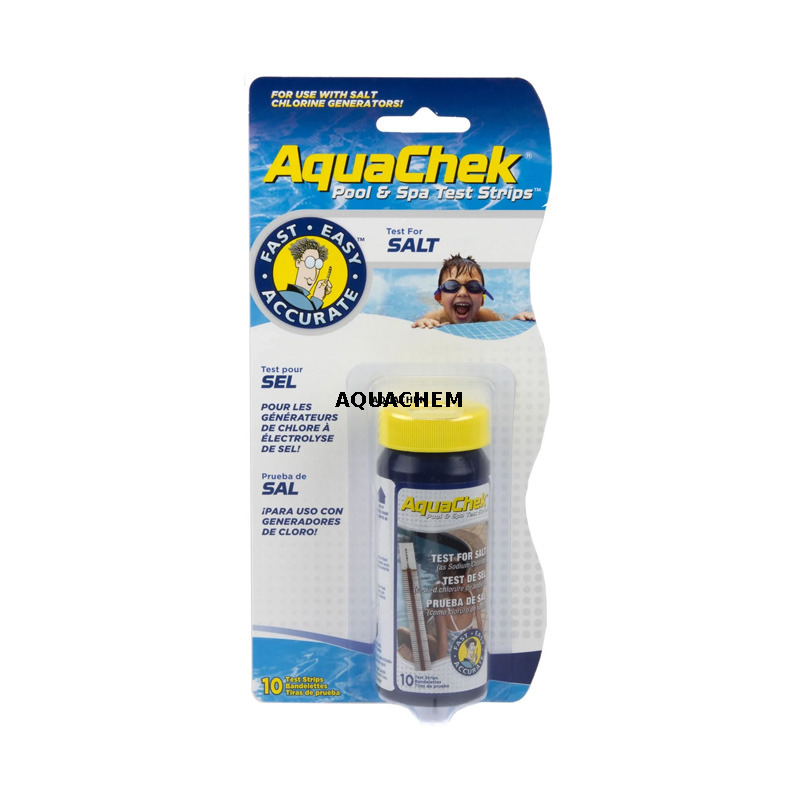
Maintaining these levels is simple. Regular testing helps ensure everything stays in check. Many pool owners use test strips or kits to monitor their salt and chlorine levels easily. Brands like Aqua Chem offer reliable salt test strips, making it easier to maintain optimal water quality.
Salt water pools are designed for efficiency. They require less frequent maintenance than traditional pools, which often need regular chemical additions. This not only saves time but can also reduce overall costs in the long run.
In summary, salt water pools provide a unique and enjoyable swimming experience. By converting salt into chlorine, they offer a gentler alternative to traditional chlorine pools. With proper maintenance and monitoring, they can be a fantastic choice for pool owners looking to enhance their swimming environment.
One of the standout benefits of salt water pools is their gentleness on the skin and eyes. Traditional chlorine pools often have high levels of chlorine, which can lead to irritation. In contrast, salt water pools maintain lower chlorine levels due to the salt chlorine generator. Here’s why this matters:
Lower Chlorine Levels: Salt water pools typically operate at around 1-3 ppm (parts per million) of chlorine, compared to 3-5 ppm in traditional pools. This reduction minimizes the harshness on sensitive skin.
Ideal for Allergies: Swimmers with allergies or skin sensitivities often find salt water pools more comfortable. The milder environment reduces the likelihood of rashes or irritation.
To keep these pools functioning optimally, monitoring salt levels is crucial. Aqua Chem's Salt Test Strips are an excellent tool for ensuring the right balance, helping maintain the ideal swimming conditions.
When considering the overall cost of pool ownership, salt water pools can be more economical in the long run. While the initial investment might be higher, the savings accumulate over time:
Initial Investment: Salt chlorine generators can be pricier to install than traditional chlorination systems. However, they pay off through reduced chemical costs.
Long-Term Savings: Fewer chemicals need to be added regularly. This results in less frequent trips to the store and lower ongoing expenses.
Aqua Chem offers a comprehensive range of pool water treatment chemicals, which can help minimize maintenance costs further. Their products are designed to work seamlessly with salt water systems, ensuring efficient operation.
If you’ve ever swum in a traditional pool, you know the strong chlorine smell that can linger. Salt water pools, on the other hand, have a significantly milder odor. This difference stems from the way chlorine is produced:
Chloramines Explained: Traditional pools can develop chloramines, the compounds responsible for that pungent smell. These form when chlorine combines with organic matter, such as sweat or skin cells.
Milder Environment: Because salt water pools produce chlorine through electrolysis, they generate fewer chloramines. This results in a more pleasant swimming experience.
The quality of water in salt water pools tends to be superior, thanks to continuous sanitization. Here’s how it works:
Stable Chlorine Levels: Salt water systems provide a steady supply of chlorine, which helps maintain consistent water quality. This stability is crucial for preventing algae growth and ensuring clean water.
Continuous Sanitization: The salt chlorine generator operates continuously, providing ongoing sanitation. This means you can spend more time enjoying your pool and less time worrying about chemical imbalances.
Here’s a quick comparison of traditional and salt water pools:
Feature | Traditional Chlorine Pools | Salt Water Pools |
Chlorine Levels | 3-5 ppm | 1-3 ppm |
Chlorine Production | Manual addition | Automated via generator |
Odor | Strong chlorine smell | Mild, pleasant scent |
Skin Irritation | Common | Rare |
Salt water pools offer several advantages, including skin-friendly water, lower maintenance costs, reduced chlorine smell, and improved overall water quality. These factors make them an attractive option for many pool owners looking to enhance their swimming experience.
When considering a pool upgrade, one of the first things to note is the initial investment. Salt water pools typically come with higher upfront costs than traditional chlorine pools. Here’s a breakdown:
Installation Costs: The cost of installing a salt chlorine generator can range from $1,500 to $2,500, depending on the size of the pool and the complexity of the installation.
Equipment Expenses: In addition to the generator, you may need to invest in more durable materials to withstand the saltwater. This can include upgraded pool liners and fittings.
In comparison, traditional chlorine pools generally require less initial investment. The equipment costs for chlorine systems are often lower, making them a more budget-friendly option for some homeowners.
While salt water pools offer many benefits, they also have a significant drawback: the corrosive nature of salt. This can lead to potential damage over time. Here’s what you need to know:
Equipment Damage: Salt can be harsh on pool equipment. Components such as pumps, heaters, and ladders can corrode more quickly than in traditional pools.
Surface Considerations: Pool surfaces, including tiles and liners, may also experience wear and tear due to salt exposure. This can lead to costly repairs or replacements.
To mitigate corrosion risks, consider using materials specifically designed for salt water environments. Stainless steel or plastic components are often recommended as they resist corrosion better than standard materials.
Maintaining a salt water pool isn’t as straightforward as it might seem. It often requires specialized knowledge and skills. Here are some key points to consider:
Specialized Technicians: Repairs and maintenance for salt water pools often necessitate technicians who understand the unique systems involved. Not every pool service provider is equipped to handle these specific needs.
Finding Qualified Service Providers: Depending on your location, it might be challenging to find qualified technicians. This can lead to delays in repairs, which can be frustrating for pool owners.
Here’s a quick comparison of maintenance considerations:
Feature | Traditional Chlorine Pools | Salt Water Pools |
Maintenance Complexity | Generally easier | Requires specialized skills |
Repair Costs | Often lower | Can be higher due to expertise needed |
Availability of Technicians | More widely available | May be harder to find |
Salt water pools can provide a wonderful swimming experience, but they come with their own set of challenges. Higher initial costs, potential corrosion issues, and the need for specialized maintenance can make them less appealing for some homeowners. Weighing these factors carefully is essential before making a decision.

Maintaining optimal water quality in salt water pools requires consistent testing and monitoring. Here’s what you need to know:
Importance of Testing: Regularly testing salt levels, pH, and chlorine ensures your pool remains safe and enjoyable. Too much or too little of any element can lead to problems.
Recommended Frequency: Aim to test your pool water at least once a week. During peak swimming seasons, you might want to check more frequently to keep everything balanced.
Using Aqua Chem's Salt Test Strips: These strips provide accurate readings of salt levels, making it easy to maintain proper water chemistry. They’re user-friendly and give you quick results, so you can address any issues immediately.
The salt chlorine generator is vital for producing chlorine in salt water pools. Keeping it clean is essential for smooth operation:
Steps for Maintenance:
1. Turn off the power to the salt cell.
2. Remove the cell from its housing.
3. Rinse it with a hose to remove any buildup.
4. For tougher deposits, soak the cell in a vinegar solution for about 15 minutes.
5. Rinse thoroughly and reinstall.
Signs of Cleaning or Replacement Needs: If you notice reduced chlorine production or cloudy water, it might be time to clean or replace the salt cell. Regular maintenance can extend its lifespan.
Managing pH levels is crucial for the health of your salt water pool. Here’s why it matters:
Why pH Management is Important: The ideal pH range for salt water pools is between 7.2 and 7.6. If pH levels are too high or too low, it can affect chlorine efficiency and lead to discomfort for swimmers.
Recommended Products for Balancing pH: Use pH increasers or decreasers as needed. Products like sodium bicarbonate can raise pH, while muriatic acid can lower it. Always follow the manufacturer's instructions for safe use.
Here’s a quick reference table for maintaining your salt water pool:
Maintenance Task | Frequency | Recommended Tools |
Water Testing | Weekly | Aqua Chem's Salt Test Strips |
Salt Cell Cleaning | Every 3-6 months | Hose, vinegar solution |
pH Level Adjustment | As needed | pH increaser/decreaser |
By following these maintenance tips, you can ensure your salt water pool remains clean, safe, and enjoyable for everyone. Regular attention to testing, cleaning, and pH management will help you get the most out of your investment.
Salt water pools offer several advantages, including gentler water, lower maintenance costs, and improved water quality. However, they also come with higher initial costs, potential corrosion issues, and the need for specialized maintenance.
Ultimately, whether salt water pools are the better choice depends on individual preferences and needs. Consider your lifestyle, budget, and maintenance willingness before making a decision. Weighing these factors will help you choose the right pool for you.
A: No, salt water pools still contain chlorine, but it's generated from salt through a chlorine generator.
A: You typically need to add salt every 3-6 months, depending on usage and water evaporation.
A: Salt water pools are generally gentler on skin, but some individuals may still experience irritation.
A: A salt chlorine generator usually lasts 3-7 years with proper maintenance.
A: To convert, install a salt chlorine generator and adjust water chemistry accordingly.


