
Views: 0 Author: Site Editor Publish Time: 2026-04-01 Origin: Site


Are you ready to dive into summer fun? Opening your pool properly is crucial for a safe and enjoyable swimming season. Using professional-grade pool chemicals and techniques can make all the difference.
In this article, we’ll explore how to open your pool like a pro, ensuring crystal-clear water and optimal safety. You'll also learn about Aqua Chem, a trusted brand with years of experience in pool care. Get ready to transform your pool opening experience!
Opening your pool is more than just removing the cover. It’s a process that prepares your pool for the swimming season. This involves several steps to ensure everything is in top condition.
Remove Debris: Start by clearing any leaves, dirt, or debris from the pool area. This prevents contamination when you refill the pool.
Inspect Equipment: Check pumps, filters, and other equipment for any signs of wear. Early detection of issues can save you from costly repairs later.
Water Chemistry: Testing and balancing the water chemistry is crucial. This ensures safe swimming conditions and protects your pool surfaces.
Seasonal maintenance is vital for a healthy pool. Neglecting this process can lead to algae growth and other problems that can be expensive to fix. Regular upkeep keeps your pool inviting and safe for family and friends.
Proper pool opening impacts both water quality and safety. When you take the time to open your pool correctly, you set the stage for a fun and safe swimming season.
Water Quality: A well-maintained pool has clear, safe water. Poorly opened pools can lead to cloudy water, which may harbor harmful bacteria.
Safety Concerns: Ensuring that your pool is free of contaminants protects swimmers from health risks. This is especially important for children and pets.
Let’s take a look at some common issues arising from improper pool opening:
Issue |
Impact |
Solution |
Algae Growth |
Green, cloudy water |
Use algaecides and regular cleaning |
Equipment Malfunction |
Pump failure, increased costs |
Regular inspections and maintenance |
Chemical Imbalance |
Skin irritation, unsafe swimming |
Test and balance water chemistry |
Aqua Chem’s products can play a significant role in maintaining water clarity and safety. Their range of pool chemicals ensures that you have the right tools for effective water treatment. From chlorine to algaecides, Aqua Chem provides high-quality solutions tailored for pool care.
Using professional-grade chemicals helps prevent common issues. With Aqua Chem, you can trust that your pool remains clean and safe throughout the season. This not only enhances your swimming experience but also extends the life of your pool equipment.
In summary, understanding the pool opening process is essential for every pool owner. By prioritizing proper maintenance and using reliable products, you can enjoy a refreshing swimming season without the stress of unexpected problems. So, let’s dive in and get your pool ready for summer!
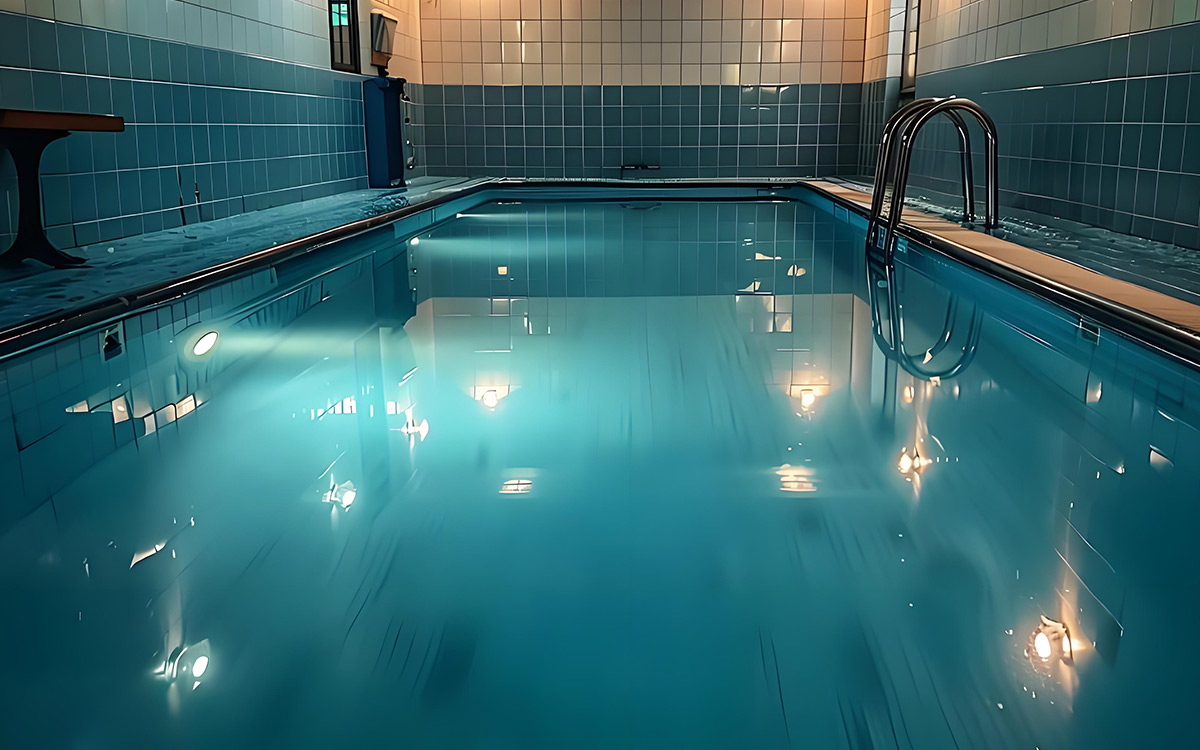
When it comes to opening your pool, having the right chemicals is crucial. These products not only ensure clean water but also help maintain a safe swimming environment. Here’s a quick overview of the essential chemicals you'll need:
Chlorine: This is the most common disinfectant used in pools. It kills harmful bacteria and keeps the water clear. You can choose between liquid, granular, or tablet forms based on your preference.
Algaecides: These are essential for preventing algae growth, which can turn your pool green and slimy. Regular use of algaecides can save you from major headaches later in the season.
pH Balancers: Maintaining the right pH level (between 7.2 and 7.6) is important for swimmer comfort and chemical effectiveness. pH increasers and decreasers help you achieve this balance.
Using high-quality products like Aqua Chem makes a significant difference. Aqua Chem offers a full range of swimming pool chemicals designed for optimal performance. Their products are formulated to work effectively, ensuring your pool stays clean and safe throughout the season.
In addition to chemicals, having the right tools is essential for a smooth pool opening. Here’s a list of necessary tools you should have on hand:
Skimmer: This tool is vital for removing leaves and debris from the water surface. A good skimmer can make your cleaning process much easier.
Pool Vacuum: A vacuum helps clean the pool floor and walls. There are manual and automatic options available, depending on your budget and preference.
Test Kits: Accurate water testing is crucial. A reliable test kit will help you monitor pH, chlorine levels, and other important water chemistry factors.
Selecting the right tools depends on your pool type and size. Here are some tips to consider:
Size Matters: For larger pools, opt for automatic vacuums to save time and effort.
Durability: Look for tools made from durable materials. They should withstand regular use and exposure to pool chemicals.
Ease of Use: Choose tools that are user-friendly, especially if you’re new to pool maintenance.
Tool |
Purpose |
Recommendation |
Skimmer |
Removes surface debris |
Choose a lightweight model |
Pool Vacuum |
Cleans the pool floor |
Automatic vacuums are time-saving |
Test Kits |
Monitors water chemistry |
Digital kits provide accurate readings |
By equipping yourself with the right chemicals and tools, you’ll set the stage for a successful pool opening. Proper preparation ensures your pool remains a safe and enjoyable space for everyone. Remember, investing in quality supplies pays off in the long run, making maintenance easier and more effective.
Opening your pool doesn’t have to be overwhelming. With a systematic approach, you can ensure your pool is ready for a fun-filled season. Here’s a step-by-step guide to help you through the process.
Before diving in, it’s essential to clear the area around your pool. A clean environment makes a significant difference.
Clear Debris: Remove leaves, twigs, and dirt from the pool deck and surrounding area. This prevents contamination and keeps your pool looking great.
Clean the Pool Cover: If you used a cover during the off-season, take it off and clean it thoroughly. This helps avoid any contaminants entering the water when you fill the pool.
Next, check your pool equipment to ensure everything is in working order. This step is crucial for preventing future issues.
Check for Damage: Look for any signs of wear or damage in pumps, filters, and other equipment. Early detection can save you from costly repairs later.
Repair or Replace: If you find any faulty parts, address them before filling the pool. This ensures your pool system operates efficiently from the start.
Filling your pool correctly is vital for maintaining water quality. Here are some guidelines to follow:
Correct Water Level: Fill the pool to the recommended level, typically halfway up the skimmer. This ensures optimal filtration and circulation.
Monitor Water Clarity: As the pool fills, keep an eye on the clarity of the water. This helps you catch any potential issues early.
Testing the water chemistry is essential for a safe swimming environment. Here’s what to focus on:
Key Parameters: Test for pH, alkalinity, and chlorine levels. Maintaining proper balance is crucial for swimmer comfort and equipment longevity.
Recommended Supplies: Use reliable testing kits, like Aqua Chem Salt Test Strips, for quick and accurate results. These tools simplify the testing process.
Once you've tested the water, it’s time to balance the chemistry. This step is key to maintaining a healthy pool.
Adjust pH and Alkalinity: If pH is too high or too low, use appropriate balancers. Aim for a pH between 7.2 and 7.6.
Calcium Hardness: Don’t forget to check calcium levels. Adjust as needed to protect your pool surfaces and equipment.
Shocking your pool is an important step to eliminate contaminants and ensure clean water.
What is Shock Treatment?: This process involves adding a high dose of chlorine to quickly raise levels and kill bacteria.
Recommended Products: Consider using Aqua Chem’s TCCA products for effective shock treatment. Follow the dosage instructions carefully for best results.
Finally, running the filtration system is essential after opening your pool.
Continuous Circulation: Keep the filter running for at least 24 hours after opening. This helps distribute chemicals evenly and clears up any cloudiness.
Regular Monitoring: Check the filter pressure regularly. Clean or backwash as needed to maintain optimal performance.
Step |
Action |
Importance |
Prepare Pool Area |
Clear debris, clean cover |
Prevents contamination |
Inspect Equipment |
Check for damage, repair or replace |
Ensures efficient operation |
Fill the Pool |
Fill to correct level, monitor clarity |
Maintains water quality |
Test Pool Water |
Test pH, alkalinity, chlorine levels |
Ensures safe swimming conditions |
Balance Water Chemistry |
Adjust pH, alkalinity, calcium hardness |
Protects pool surfaces and equipment |
Shock the Pool |
Add chlorine shock |
Eliminates contaminants |
Run the Filtration System |
Keep filter running |
Ensures clear and clean water |
Following these steps will help you open your pool like a pro. With a bit of preparation and the right products, you’ll be ready to enjoy a refreshing swim in no time!

Keeping your pool in top shape throughout the season requires consistent maintenance. Here are some essential tips to ensure your pool remains clean, safe, and enjoyable.
Ongoing water testing is crucial for maintaining a healthy pool environment. Regular checks help you catch issues before they escalate.
Importance of Testing: Testing water chemistry regularly ensures that pH, chlorine, and alkalinity levels are balanced. This not only protects swimmers but also prolongs the life of your pool equipment.
Recommended Frequency: Aim to test your pool water at least once a week during peak swimming season. If you notice heavy usage or after rainstorms, increase testing frequency to twice a week.
Algae can quickly turn a pristine pool into a green nightmare. Preventing algae growth is essential for maintaining water clarity and safety.
Using Algaecides: Regularly applying algaecides can help prevent algae blooms. Look for products that are compatible with your pool type and follow the manufacturer’s instructions for dosage.
Cleaning and Maintenance: Regular cleaning is key. Skim the surface daily, brush walls and steps weekly, and vacuum the pool as needed. Keeping your pool clean reduces the chances of algae taking hold.
Your pool equipment plays a vital role in keeping the water clean and safe. Regular checks help ensure everything operates smoothly.
Routine Checks: Inspect pumps, filters, and heaters regularly for any signs of wear or malfunction. Addressing issues early can save you from costly repairs later.
Cleaning Filters and Skimmers: Clean your pool filters and skimmers at least once a month. Clogged filters reduce efficiency and can lead to water quality issues.
Maintenance Task |
Frequency |
Purpose |
Test Water Chemistry |
Weekly |
Ensures safe and balanced water |
Apply Algaecides |
Monthly |
Prevents algae growth |
Clean Filters and Skimmers |
Monthly |
Maintains efficient water circulation |
Inspect Equipment |
Bi-Weekly |
Identifies potential issues early |
By following these maintenance tips, you can keep your pool in excellent condition all season long. Consistent testing, cleaning, and equipment checks will help you enjoy a safe and refreshing swimming experience. Remember, a little effort goes a long way in maintaining your pool!
Opening your pool properly is essential for a successful swimming season.
Following the outlined steps will help maintain water quality and safety.
Explore Aqua Chem products for professional results.
Ensure your pool water is clean, safe, and well-balanced for everyone to enjoy!
A: Open your pool at the start of the swimming season, typically in late spring or early summer.
A: Shock the pool with chlorine, clean the filters, and use algaecides to eliminate algae growth.
A: Yes, you can open your pool yourself by following the proper steps and using the right products.
A: Clear water, balanced pH levels (7.2-7.6), and appropriate chlorine levels indicate a well-balanced pool.


